What Is a Bench Coach in Baseball? Roles, Responsibilities, and Career Path

What is a bench coach in baseball is a common question among aspiring coaches and players interested in leadership roles at higher levels of the game. The bench coach plays a central role in daily operations, in-game decision-making, and communication between players and the manager. Often described as the manager’s right hand, this position blends strategy, leadership, and experience.
What Is a Bench Coach in Baseball
A bench coach is the lead assistant coach on a baseball staff. While the manager holds final authority, the bench coach is deeply involved in nearly every aspect of the team’s performance. This includes game strategy, lineup construction, situational decisions, and player management.
At professional and collegiate levels, the bench coach is typically the most trusted advisor to the manager. Many bench coaches are former managers or longtime coaches with extensive baseball knowledge.
Primary Responsibilities During Games
During games, the bench coach is constantly analyzing situations and anticipating decisions. Responsibilities often include:
-
Advising on defensive alignments and substitutions
-
Monitoring matchups and opposing tendencies
-
Managing communication in the dugout
-
Helping with replay challenges when applicable
-
Keeping track of bullpen usage and bench availability
While the manager may make the final call, many decisions are shaped through quick discussions with the bench coach.
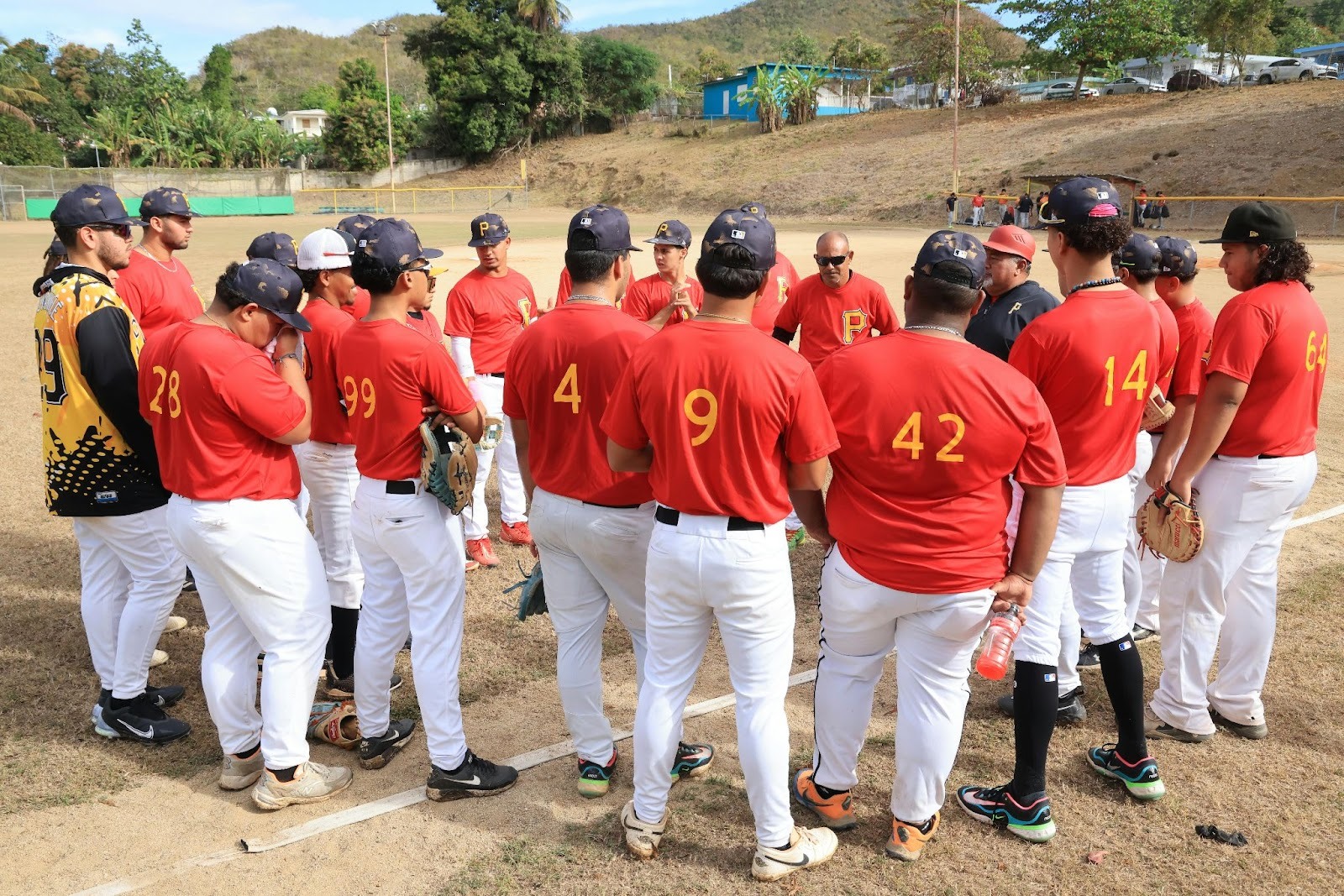
How a Bench Coach Supports the Manager
One of the most important aspects of the role is supporting the manager before, during, and after games. The bench coach acts as a sounding board for ideas and a second set of eyes during fast-moving situations.
If a manager is ejected, the bench coach often assumes managerial duties for the remainder of the game. This requires deep knowledge of team strategy, rules, and game flow.
At higher levels, bench coaches also help manage personalities and maintain focus during long seasons. Trust between the manager and bench coach is critical.
Off-Field Duties and Preparation
The bench coach’s impact extends far beyond game time. Off the field, responsibilities may include:
-
Reviewing scouting reports and analytics
-
Assisting with practice planning
-
Evaluating player performance and readiness
-
Coordinating with other assistant coaches
-
Helping develop younger players
At the professional level, bench coaches frequently collaborate with analytics departments to prepare detailed game plans.
Bench Coach vs Other Coaching Roles
A baseball coaching staff includes several specialized roles. The bench coach differs from others in scope and authority.
-
Pitching coaches focus exclusively on pitchers and pitching strategy.
-
Hitting coaches concentrate on offensive mechanics and approach.
-
Base coaches manage on-field positioning during live play.
The bench coach oversees broader team strategy and serves as the primary assistant to the manager. This makes the role more leadership-driven than technical.
Career Path and Qualifications
There is no single path to becoming a bench coach, but most follow a progression through coaching ranks. Common backgrounds include:
-
Former professional or collegiate players
-
Assistant coaches at high school, college, or minor league levels
-
Coordinators or managers with years of experience
Strong communication skills, leadership ability, and game knowledge are essential. Many bench coaches are considered future manager candidates.
Organizations such as Major League Baseball and the NCAA value coaches who can adapt, teach, and manage people as effectively as strategy.
Salary and Job Outlook
Bench coach salaries vary widely based on level and organization. At the professional level, compensation is significantly higher than in amateur or collegiate roles. Minor league and college bench coaches may earn more modest salaries, often combined with recruiting or administrative responsibilities.
The role is highly competitive, with limited openings. However, bench coaching experience can lead to managerial roles, coordinator positions, or front office opportunities.
Why the Bench Coach Role Matters
The bench coach is often the calm, analytical presence in high-pressure moments. By balancing strategy with player relationships, the bench coach helps teams stay prepared and organized throughout the season.
For coaches who enjoy leadership, problem-solving, and collaboration, this role offers a meaningful way to impact a team’s success without being the final decision-maker.
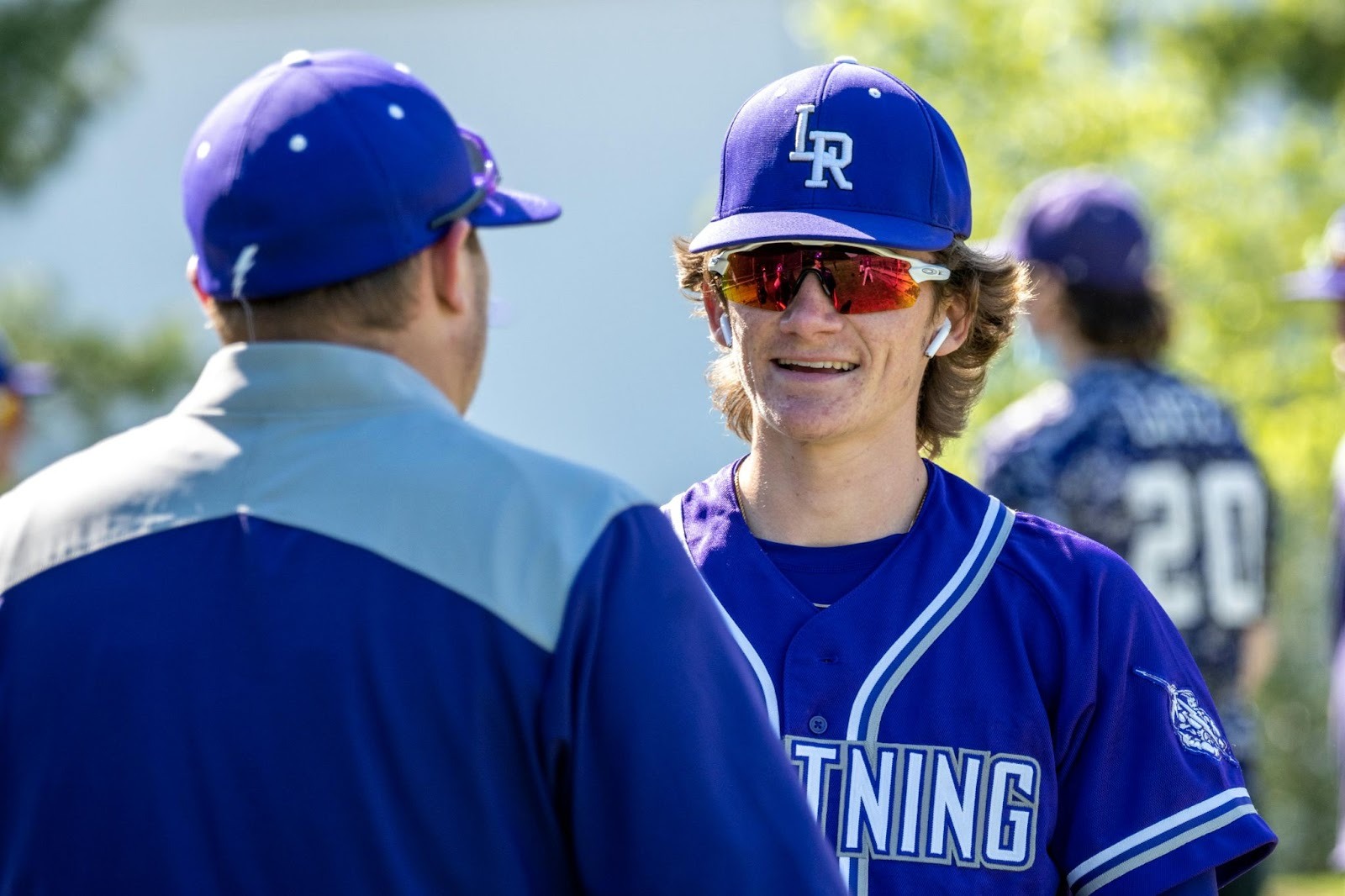
Finding Bench Coach Opportunities
Because bench coach positions are rarely entry-level, networking and experience matter. Many openings are filled internally or through professional connections, making visibility within the coaching community especially important. Coaches often move into bench roles after proving themselves as assistant coaches, coordinators, or managers who can handle strategy, leadership, and communication under pressure.
Platforms like CoachBridge help bridge that gap by connecting qualified coaches with schools, clubs, and athletic programs actively hiring. With 5,472 open coaching positions listed across multiple sports and levels, CoachBridge gives coaches a clear view of available opportunities and career pathways. Exploring assistant coaching roles, interim leadership positions, or specialized staff roles through a centralized job board is often a practical first step toward earning a bench coach position.
Frequently Asked Questions
Do bench coaches work at all levels of baseball?
Yes. While most common at professional and collegiate levels, some high-level high school and summer programs use a similar role.
Is a bench coach the same as an assistant coach?
A bench coach is an assistant coach, but with broader authority and closer involvement in decision-making than most assistants.
Do bench coaches manage players directly?
Yes. Bench coaches regularly communicate with players, especially those on the bench or in utility roles.
Final Thoughts
Understanding what a bench coach in baseball is helps clarify how teams function behind the scenes. This role blends leadership, strategy, and preparation, making it one of the most influential positions on a coaching staff. For experienced coaches seeking growth, the bench coach position is both a challenge and a stepping stone to higher leadership roles.