Strength and Conditioning Coach Career Guide: CSCS Requirements, Prereqs, and Salary
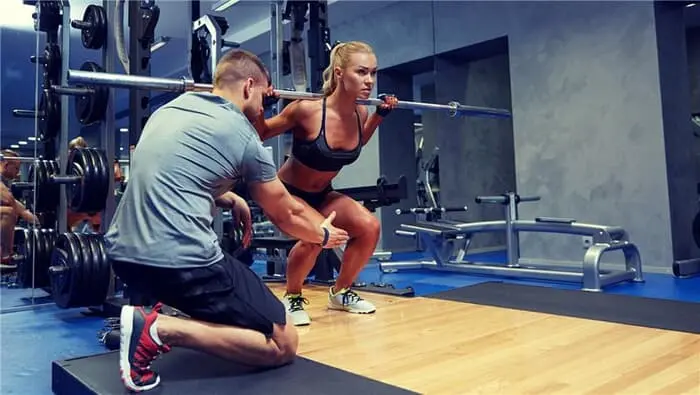
A strength and conditioning coach plays a critical role in athletic performance, helping athletes improve speed, strength, endurance, and injury prevention. While many people enter the field through fitness, long-term success typically requires formal education and certification.
The most recognized credential in this field is the CSCS (Certified Strength and Conditioning Specialist), offered by NSCA. This certification is widely considered the standard for coaches working with competitive athletes.
This guide explains the CSCS requirements, career pathway, and what you can expect in terms of job opportunities and salary.
What Does a Strength and Conditioning Coach Do
Strength and conditioning coaches design and implement training programs that enhance athletic performance. Unlike general fitness trainers, they work specifically with athletes and teams.
Their responsibilities often include:
-
Designing sport-specific strength programs
-
Improving speed, agility, and conditioning
-
Monitoring athlete performance and recovery
-
Preventing injuries through proper training techniques
-
Collaborating with sports coaches and medical staff
At higher levels, coaches also analyze data and adjust programs based on performance metrics.
What Is the CSCS Certification
The CSCS certification is a professional credential offered by the NSCA. It is designed for coaches who work with athletes in structured training environments such as schools, colleges, and professional teams.
This certification demonstrates that a coach understands:
-
Exercise science and program design
-
Strength training techniques and safety
-
Performance testing and evaluation
-
Sport-specific conditioning principles
For many employers, CSCS is a minimum requirement for serious coaching roles.
CSCS Requirements and Prerequisites
One of the most important parts of becoming a strength coach is meeting the eligibility requirements.
To sit for the CSCS exam, you typically need:
-
A bachelor’s degree (or currently enrolled in a degree program)
-
CPR/AED certification
-
Registration for the CSCS exam through the NSCA
It’s important to note that degree requirements are becoming stricter over time, with future updates emphasizing relevant academic backgrounds such as exercise science or kinesiology.
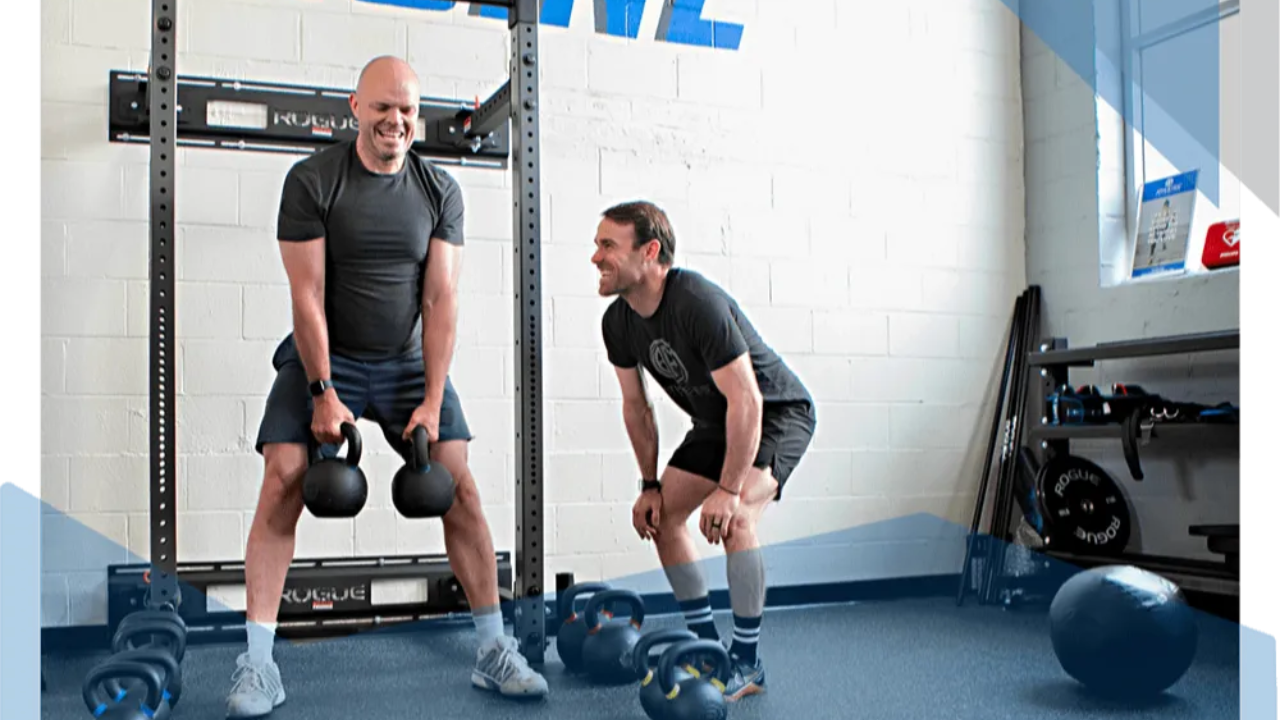
How to Get CSCS Certified (Step-by-Step)
The process to earn CSCS certification is structured but manageable.
Most candidates follow these steps:
-
Earn or work toward a bachelor’s degree
-
Obtain CPR/AED certification
-
Study for the CSCS exam (scientific foundations + practical application)
-
Register and pass the certification exam
-
Maintain certification through continuing education
Preparation often takes several months, depending on your background in exercise science.
Career Path: Where Strength Coaches Work
One of the biggest advantages of this field is the variety of work environments.
Strength and conditioning coaches commonly work in:
-
High schools and collegiate athletic programs
-
Professional sports organizations
-
Private training facilities and performance centers
-
Military and tactical training programs
-
Rehabilitation and sports medicine settings
Your work environment will often depend on your experience, certification level, and network.
How to Get Your First Strength Coach Job
Breaking into the field can be competitive, especially at higher levels. Most coaches build experience gradually.
A typical entry path includes:
-
Internships with college or private training programs
-
Assistant strength coach roles
-
Volunteering with school teams
-
Gaining hands-on experience while completing certification
Employers look for a combination of education, certification, and practical experience.
Strength and Conditioning Coach Salary
Salary varies widely based on level, location, and organization.
In general:
-
Entry-level or assistant coaches may earn modest salaries
-
Collegiate and professional roles offer significantly higher pay
-
Private sector coaches may earn based on clients and performance
According to U.S. government labor data, coaching and athletic-related roles have a wide salary range, with higher earnings tied to experience and level of competition.
While the path can be competitive, advancement opportunities are strong for qualified coaches.
Where to Find Strength Coach Jobs
Once you have the right credentials, finding the right opportunity is the next step.
Platforms like CoachBridge connect coaches with openings across schools, athletic programs, and training facilities. You can showcase your CSCS certification, experience, and specialization to apply for roles that match your goals.
This is especially useful for coaches transitioning from internships to paid positions.
Why CSCS Certification Matters
The CSCS certification is more than a credential; it’s a signal to employers that you are prepared to work with athletes at a high level.
It helps you:
-
Stand out in a competitive job market
-
Qualify for higher-level coaching roles
-
Build credibility with teams and athletes
-
Improve your knowledge of performance training
For most serious strength coaches, CSCS is a foundational step in long-term career growth.
Frequently Asked Questions
1. What are the requirements to get CSCS certified?
To earn the CSCS certification from the NSCA, you need a bachelor’s degree (or be in your final year), a valid CPR/AED certification, and you must pass the CSCS exam.
2. How long does it take to become a strength and conditioning coach?
It typically takes several years, depending on your path. Earning a degree can take 3–4 years, while preparing for and passing the CSCS exam may take a few additional months. Gaining hands-on experience through internships is also an important part of the process.
3. What jobs can you get with a CSCS certification?
With a CSCS certification from the NSCA, you can work as a strength and conditioning coach in high schools, colleges, professional sports teams, private training facilities, and performance centers.
Final Thoughts
Becoming a strength and conditioning coach requires a combination of education, certification, and real-world experience. The CSCS certification from the NSCA provides a clear pathway into the profession.
By understanding the requirements, building experience, and pursuing the right opportunities, you can develop a career working with athletes and helping them reach peak performance.