Softball Coaching Certification and Career Path: ACE Coach Training + Getting Your First Job
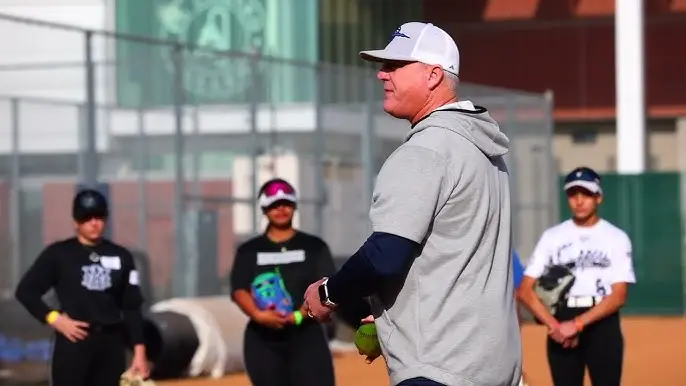
Softball coach certification is one of the first steps for anyone serious about coaching softball, especially at the youth, travel, or high school level. While many aspiring coaches focus on drills and game strategy, fewer understand how certification connects directly to getting hired.
In the United States, organizations like USA Softball provide structured education through programs such as ACE Coach Training, which helps standardize coaching knowledge and safety practices.
This guide explains how certification works, what different coaching levels require, and how to move from learning the game to landing your first coaching role.
What Is Softball Coach Certification
Softball coach certification refers to formal training that prepares coaches to work with athletes in organized programs. While not always mandatory at the recreational level, certification becomes increasingly important as you move into competitive environments.
At its core, certification ensures that coaches understand:
-
Player safety and injury prevention
-
Age-appropriate skill development
-
Practice organization and communication
-
Rules and responsibilities within organized leagues
For many programs, certification is both a requirement and a signal that a coach is prepared to lead.
What Is ACE Coach Training
The ACE (American Coaching Effectiveness) Coach Training Program is the primary certification pathway offered by USA Softball.
ACE is designed to provide structured education across different coaching levels, covering both fundamentals and advanced topics.
The program typically includes:
-
Coaching principles and philosophy
-
Skill development and teaching progression
-
Safety and risk management
-
Team communication and leadership
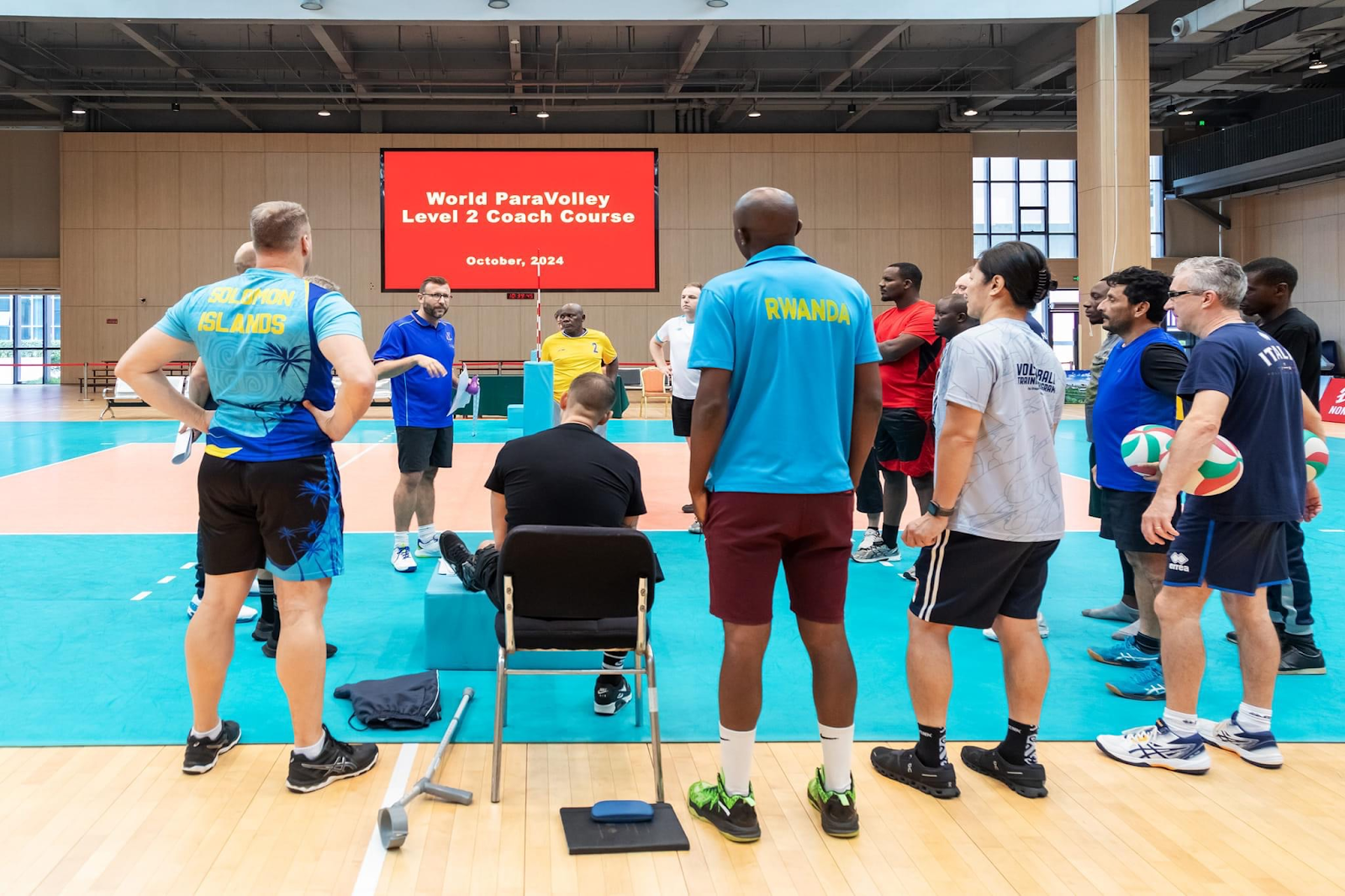
ACE certification is tiered, allowing coaches to progress as they gain experience and move into higher levels of competition.
Who Needs ACE Certification (By Coaching Level)
One of the most important things to understand is how certification connects to different types of softball coaching jobs.
Recreational (Youth Leagues)
Certification is often recommended but not always required. Many leagues prioritize volunteer availability, though completing ACE training can improve credibility and preparedness.
Travel / Club Softball
Certification is more commonly expected. Competitive programs look for coaches who understand structured development and can manage higher-level athletes.
High School Softball
Requirements vary by state, but certification, background checks, and education credentials are often required. Experience and proven coaching ability play a major role.
This progression highlights a key point: the higher the level, the more important certification becomes for hiring.
Gaining Experience in Youth Softball Coaching
For most coaches, the entry point is coaching youth softball. This level provides the foundation for building both confidence and practical skills.
New coaches typically start by:
-
Volunteering in local recreational leagues
-
Assisting experienced coaches
-
Running basic softball coaching drills
-
Learning how to manage practices and game flow
Youth coaching is where you develop the ability to teach fundamentals clearly and create a positive environment for players.
How Certification Connects to Getting Hired
Many coaching resources focus on drills, but certification plays a direct role in employability.
From a hiring perspective:
-
Certification shows commitment and professionalism
-
It reduces risk for organizations (especially with youth athletes)
-
It prepares you to step into structured programs immediately
Coaches who combine certification with hands-on experience are far more competitive than those who rely on knowledge alone.
Building a Path From Beginner to Paid Coach
There is no single path into softball coaching, but most careers follow a progression based on experience and responsibility.
A typical path might look like:
-
Volunteer youth coach
-
Assistant coach (rec or travel team)
-
Head coach (youth or competitive team)
-
High school or advanced program coach
Each step builds on the previous one, with certification and experience working together to open new opportunities.
Where to Find Softball Coaching Jobs
Once you’ve built a foundation, the next step is finding opportunities that match your experience level.
Platforms like CoachBridge connect coaches with verified openings across schools, clubs, and athletic programs. You can create a profile, highlight your certifications, and apply directly to positions that fit your background.
Many coaches begin with local leagues, but using a centralized platform helps expand your visibility and access to higher-level roles.
Why Certification Matters Beyond Requirements
Certification is not just a checkbox — it shapes how you coach.
Programs like ACE Coach Training help coaches:
-
Teach skills more effectively
-
Create safer environments for athletes
-
Communicate better with players and parents
-
Build long-term development systems
These qualities are what separate recreational volunteers from coaches who advance into competitive roles.
Frequently Asked Questions
1. Do you need certification to coach youth softball?
Certification is not always required for recreational leagues, but it is strongly recommended. Programs affiliated with USA Softball often encourage or require ACE Coach Training, especially for competitive teams.
2. What is ACE Coach Training in softball?
ACE (American Coaching Effectiveness) Coach Training is a certification program offered by USA Softball. It provides structured education on coaching fundamentals, safety, and athlete development for softball coaches at different levels.
3. How do you get your first softball coaching job?
Most coaches start by volunteering or assisting in youth leagues to gain experience. Completing certification programs like ACE and applying through platforms such as CoachBridge can help you find entry-level opportunities and begin your coaching career.
Final Thoughts
Softball coach certification is a key part of building a successful coaching career. Programs like ACE Coach Training provide the structure and knowledge needed to work effectively with athletes at different levels.
By combining certification, hands-on experience, and a clear understanding of the coaching path, you can move from entry-level roles into more competitive opportunities. Whether you are coaching youth softball or aiming for high school programs, the right preparation makes all the difference.