How to Become a Volleyball Coach in the U.S.: Requirements, Certifications, and Jobs
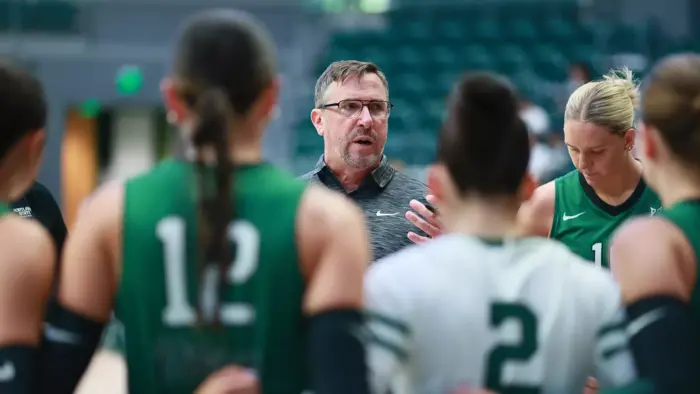
How to become a volleyball coach is a common question among former players, sports enthusiasts, and aspiring leaders who want to stay involved in the game. Coaching volleyball in the United States requires a combination of game knowledge, certification, and practical experience, along with a clear path toward getting hired.
From youth programs to high school and club volleyball, coaching roles continue to grow. Understanding the requirements, certifications, and hiring process can help you move from interest to opportunity.
What Does a Volleyball Coach Do
A volleyball coach is responsible for developing athletes both technically and mentally. This includes planning practices, teaching fundamentals, managing rotations, and guiding in-game decisions.
At more competitive levels, coaches also analyze opponents and build structured systems that support long-term athlete development. Communication and leadership are central to the role, as coaches are expected to manage both performance and team culture.
Organizations such as USA Volleyball set standards for coaching education and safety, particularly within club volleyball.
Volleyball Coach Requirements in the U.S.
Requirements vary depending on the level of competition, but most roles share a common foundation. Coaches are typically expected to complete background checks, hold CPR and First Aid certifications, and demonstrate a working knowledge of volleyball.
At the school level, a college degree may be preferred, especially when coaching is tied to teaching responsibilities. Club programs often place more emphasis on certification and experience within structured volleyball systems.
Volleyball Coaching Certification and Education
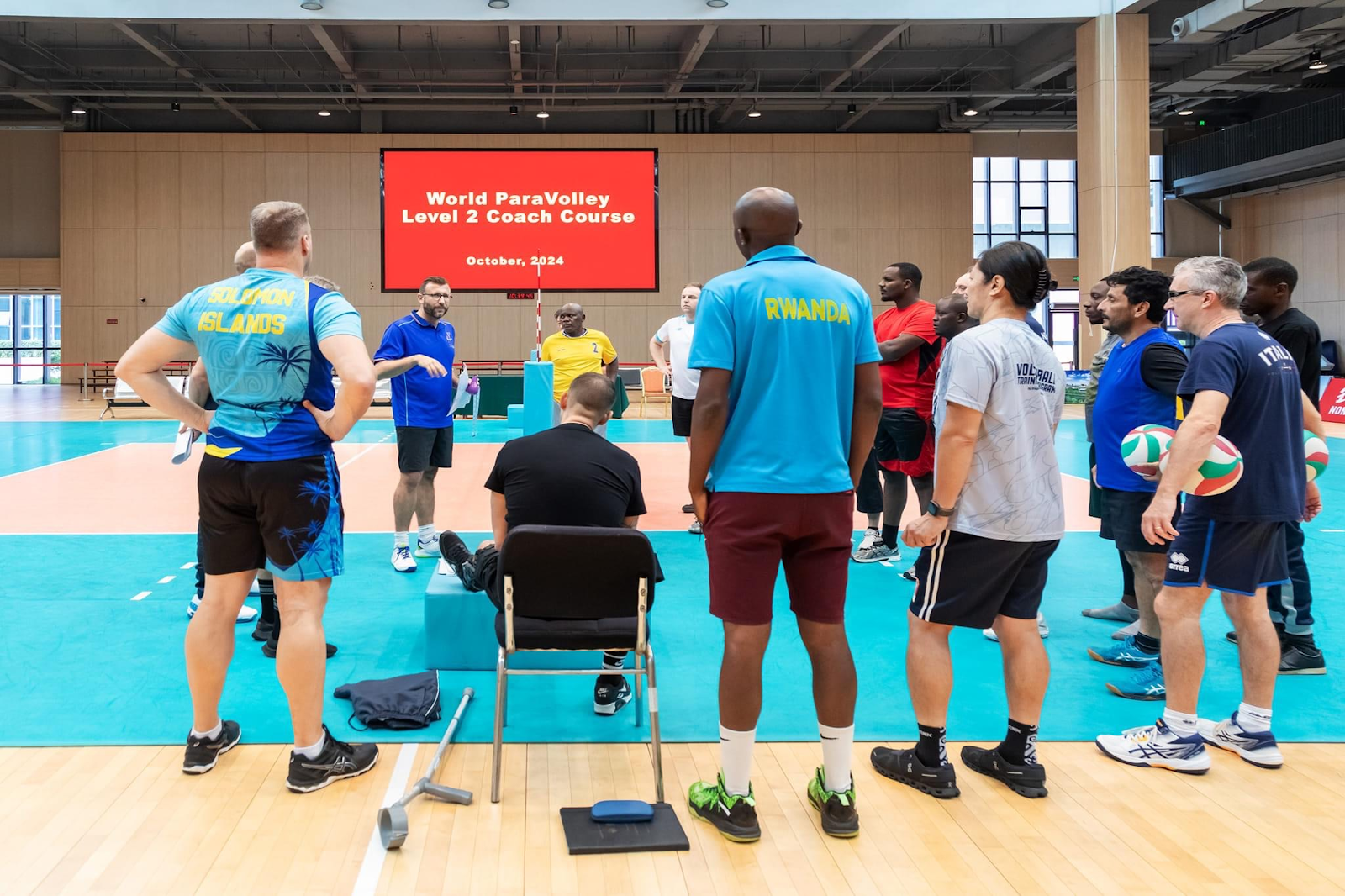
Certification is one of the most important steps in becoming a volleyball coach. In the U.S., USA Volleyball requires the IMPACT course as a minimum standard for junior club coaching. This program introduces essential concepts such as safety, communication, and athlete development.
Coaches often strengthen their qualifications with additional credentials, including:
-
SafeSport training for athlete protection
-
Coaching Accreditation Program (CAP) levels
-
CPR and First Aid certification
These certifications not only meet requirements but also signal professionalism and readiness to lead athletes.
Gaining Experience as a Volleyball Coach
Most coaches begin in assistant or volunteer roles before advancing. This stage is critical because it provides hands-on experience that goes beyond theory.
Working directly with athletes helps you learn how to run effective practices, communicate clearly, and adjust strategies in real time. Many coaches also attend clinics to stay current with techniques and connect with others in the field.
Experience, more than anything else, is what prepares you for higher-level opportunities.
How the Hiring Process Works
Understanding how to become a volleyball coach also means understanding how hiring decisions are made. Most opportunities begin with a resume that highlights your background, certifications, and any coaching or leadership experience.
Programs are typically looking for candidates who can:
-
Organize structured, effective practices
-
Communicate clearly with athletes
-
Demonstrate a long-term development approach
Interviews often focus on these areas, along with your ability to manage team dynamics and adapt during competition.
Where to Find Volleyball Coach Jobs
Finding volleyball coach jobs often depends on access and visibility. While some positions are shared locally, many are filled through networks or specialized platforms.
One effective resource is CoachBridge, which connects coaches with verified opportunities across schools, clubs, and athletic programs. It allows you to create a profile, showcase your experience, and apply directly to active openings.
Using a centralized platform can make the job search more efficient and help you identify roles that align with your experience level.
Career Path and Advancement
There is no single path to becoming a volleyball coach, but most careers follow a steady progression. Coaches often begin as assistants before moving into head coaching roles, with opportunities expanding as they gain experience and demonstrate success.
Typical progression includes:
-
Assistant or volunteer coach
-
Developmental or junior varsity coach
-
Head coach at the high school or club level
-
Collegiate or specialized coaching roles
Advancement depends on your ability to develop athletes, lead effectively, and build a strong reputation within the coaching community.
Why Volleyball Coaching Is a Growing Opportunity
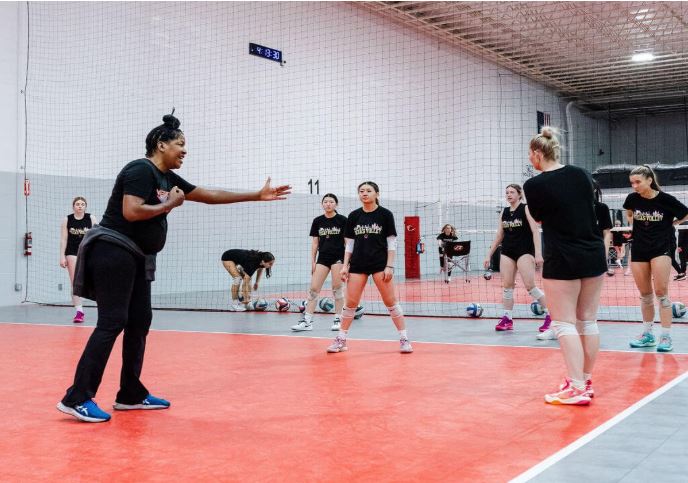
Volleyball continues to grow across youth, school, and club levels in the United States. This growth has increased demand for qualified coaches who can teach fundamentals while building structured and positive team environments.
For individuals passionate about the sport, coaching offers a long-term opportunity to stay involved while making a meaningful impact on athletes.
Frequently Asked Questions
1. What qualifications do you need to become a volleyball coach?
Most volleyball coaching positions require CPR and First Aid certification, a background check, and basic volleyball knowledge. For club coaching, organizations like USA Volleyball often require completion of the IMPACT certification, while schools may prefer candidates with a college degree.
2. Do you need certification to coach volleyball in the U.S.?
Yes, certification is commonly required, especially at the club level. The IMPACT course from USA Volleyball is considered the minimum standard for junior club coaches, along with SafeSport training and basic safety certifications.
3. How do you get your first volleyball coaching job?
Most coaches start as assistants or volunteers to gain experience. Building a strong resume, completing certifications, and applying through platforms like CoachBridge can help you find entry-level opportunities and begin your coaching career.
Final Thoughts
Understanding how to become a volleyball coach involves more than learning the game. It requires preparation, certification, and a clear approach to gaining experience and finding opportunities.
By building the right credentials and actively pursuing coaching roles, you can develop a career that combines leadership, competition, and athlete development within a growing sport.