How to Become a Professional Soccer Coach: Everything You Need to Know

At some point in their journey, many players, assistants, and youth coaches begin researching how to become a professional soccer coach. They want to know what steps to take to get to that point. But the thing is that moving from volunteer or assistant roles into paid and competitive positions takes more than just a love for the game. Coaches need the right licenses, real experience working with players, and a clear understanding of how to progress through different levels of competition.
The good news is that the path is more structured than many people expect. By focusing on coaching education, gaining hands-on experience, and building connections within the soccer community, aspiring coaches can steadily move toward professional opportunities and long-term careers in the sport.
How to Become a Professional Soccer Coach
Becoming a professional soccer coach requires a mix of education, experience, and practical skills. Understanding the key steps, from learning the game deeply to earning coaching licenses, can help you progress efficiently. This section breaks down the essential actions to start building your coaching career.
1. Learn the Game at a Deep Level
Strong coaches understand more than formations and drills. They study tactics, player psychology, conditioning, and match analysis. Watching games critically, reviewing films, and learning modern coaching methods are essential habits.
Many aspiring coaches also study sports science, communication, or physical education. Formal education is not always required, but it helps develop a broader understanding of athlete development and performance.
2. Earn Coaching Licenses and Certifications
Licensing is one of the most important steps in becoming a professional soccer coach. Most competitive leagues and clubs require coaches to hold recognized certifications.
Coaching education pathways are provided through organizations such as the U.S. Soccer. These licenses progress from grassroots and entry-level courses to advanced professional credentials. Each level builds skills in training design, game management, and leadership.
You can learn more about coaching education pathways through the U.S. Soccer coaching license program.
Completing these courses not only improves your knowledge but also signals professionalism to clubs and athletic directors.
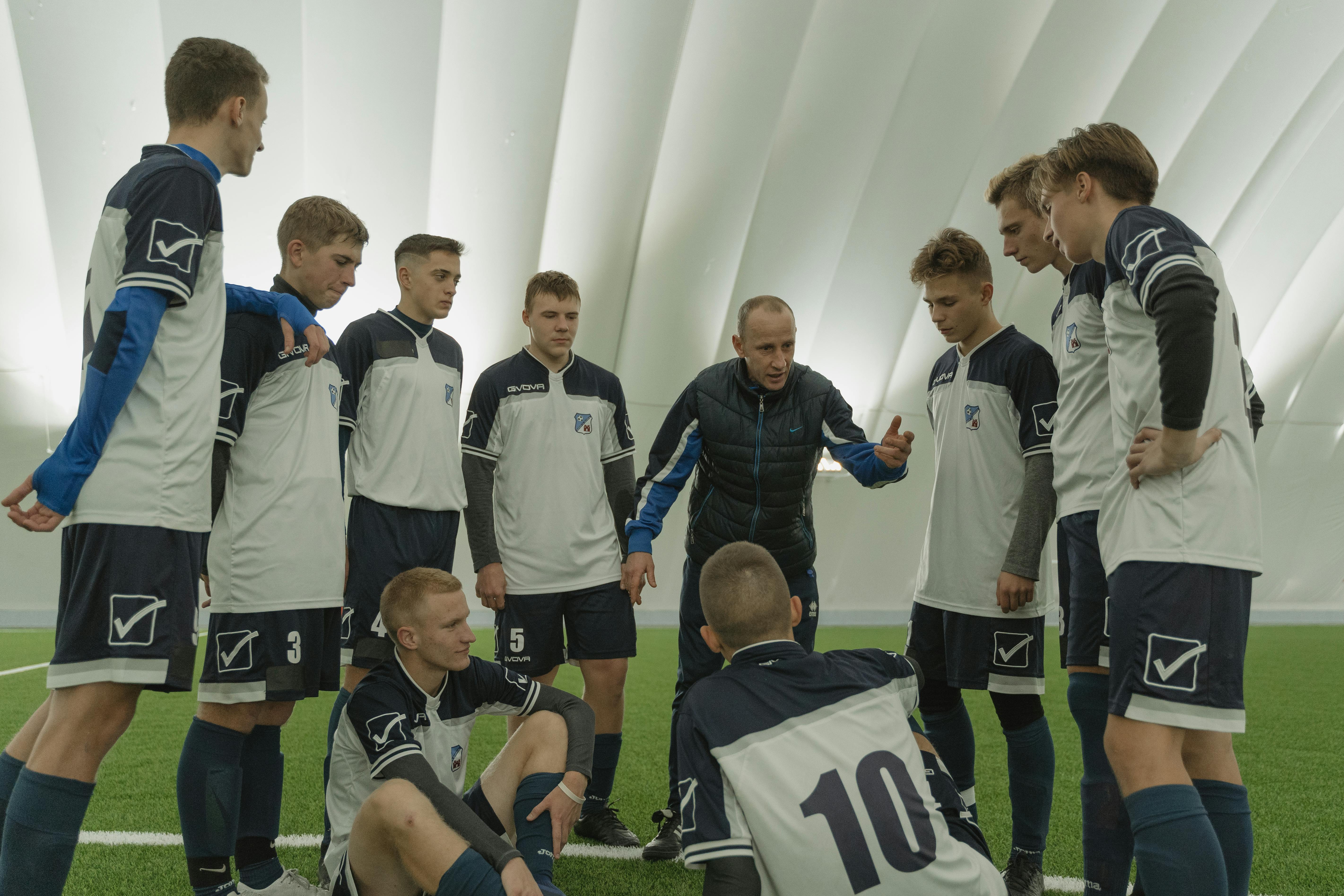
3. Gain Coaching Experience
Experience is often the factor that separates candidates. Many professional coaches begin in roles such as:
-
Youth or academy coach
-
Volunteer assistant
-
High school or community team coach
-
Development program instructor
These roles provide real-world experience managing practices, communicating with players, and planning seasons. Over time, coaches build a track record that helps them move into higher levels of competition.
4. Build a Coaching Philosophy
Successful coaches know what they stand for. A coaching philosophy guides how you train players, handle discipline, and approach competition. A clear philosophy helps in interviews and job applications because organizations want coaches who align with their values.
Consider defining your approach to:
-
Player development vs. winning
-
Team culture and accountability
-
Communication style
-
Long-term athlete growth
Writing this down and refining it over time can strengthen your identity as a coach.
5. Network and Apply for Coaching Jobs
Many coaching opportunities are filled through recommendations and connections. Networking with other coaches, attending clinics, and staying active in the soccer community increases your visibility.
Job boards dedicated to coaching positions can also make the search easier. Platforms like CoachBridge list coaching opportunities across schools, clubs, and athletic programs, making it easier to find openings and apply efficiently.
Checking listings regularly and keeping your resume updated can help you act quickly when opportunities appear.
What Qualifications Do Professional Soccer Coaches Need?
Professional soccer coaches need a combination of formal training, practical experience, and leadership skills. Knowing which licenses, certifications, and personal qualities clubs value most can give you a competitive edge. This section outlines the key qualifications that aspiring coaches should focus on.
-
Coaching Licenses - Most competitive roles require recognized coaching certifications. The higher the level of play, the more advanced the license typically required.
-
Practical Experience - Clubs want coaches who have managed teams, organized training sessions, and handled real game situations. Even small programs provide valuable experience.
-
Leadership and Communication Skills - Professional coaches must motivate players, manage staff, and communicate clearly with parents, administrators, and athletes. Emotional intelligence and organization are just as important as tactical knowledge.
How Long Does It Take to Become a Professional Soccer Coach?
The timeline varies widely. Some coaches move into paid roles within two to five years by starting early and gaining experience consistently. Others take longer as they balance coaching with other work or pursue advanced licenses.
Progress depends on three main factors:
-
How quickly you complete certifications
-
How often do you coach and gain experience
-
How actively you network and apply for jobs
Consistency matters more than speed. Coaches who steadily build skills and relationships tend to advance the most reliably.
Where Do Professional Soccer Coaches Find Jobs?
Professional soccer coaches find opportunities through several channels:
-
Coaching job boards and sports career websites
-
Club and academy websites
-
High school and college athletic departments
-
Networking with other coaches and administrators
Using a dedicated coaching job board simplifies the process because positions are organized in one place and tailored specifically to coaching roles.

Frequently Asked Questions
Can you become a soccer coach without playing professionally?
Yes. Many successful coaches never played professionally. What matters most is knowledge of the game, coaching education, and practical experience working with teams.
What licenses are required for higher levels?
Advanced coaching roles typically require higher-level federation licenses. Requirements vary by league and organization, but most follow a structured progression of courses and assessments.
What is the career path for a soccer coach?
A common path looks like this:
Volunteer or youth coach → Assistant coach → Head coach at amateur or school level → Academy or competitive club coach → Professional or elite program roles
Not every coach follows the same route, but gaining responsibility step by step is typical.
Conclusion
Learning how to become a professional soccer coach is a process built on education, experience, and persistence. Start by studying the game, earning coaching licenses, and gaining hands-on experience wherever opportunities exist. Build relationships, keep learning, and apply consistently for coaching positions.
Every season coached and every team developed adds to your credibility. Over time, those steps open doors to higher levels of competition and leadership.