How to Become a Basketball Coach: Step by Step Career Guide

How to become a basketball coach is a common question for former players, sports enthusiasts, and leaders who want to stay connected to the game while making a real impact on athletes. Basketball coaching offers the opportunity to teach fundamentals, shape team culture, and guide player development at many levels of competition. Whether the goal is to coach youth teams, schools, or competitive programs, the path forward is built on education, certification, and hands-on experience.
This guide outlines the steps, requirements, and expectations involved so aspiring coaches understand what it takes to begin and grow a coaching career with confidence.
What Does a Basketball Coach Do
A basketball coach is responsible for much more than running drills or calling plays. Coaches plan practices, teach fundamentals, develop game strategies, and evaluate player performance. They also manage team culture, communicate with parents or administrators, and ensure athletes follow program standards.
At higher levels, responsibilities expand to scouting opponents, reviewing game film, coordinating assistant coaches, and handling recruitment or tryouts. Strong organization and communication skills are essential at every level.
Skills You Need to Become a Basketball Coach
Successful basketball coaches combine technical knowledge with people skills. A strong understanding of offensive and defensive systems is important, but leadership matters just as much. Coaches must motivate athletes, resolve conflicts, and adapt teaching styles to different learning needs.
Other essential skills include time management, clear communication, decision-making under pressure, and the ability to give constructive feedback. Coaches who model professionalism and accountability are more likely to earn trust and long-term opportunities.
Education Requirements for Basketball Coaches
There is no single degree required to become a basketball coach, but education plays a key role. Many school-based programs require coaches to hold at least a bachelor’s degree, often in education, kinesiology, or sports management. Some coaching roles require the coach to be employed by the school in a teaching or support role.
For non-school teams and clubs, formal education may be less strict, but a strong educational background can improve credibility and career mobility.

Certifications and Coaching Licenses
Certifications are a critical step in learning how to become a basketball coach. Most programs require CPR and First Aid certification, background checks, and concussion awareness training.
Many coaches complete training through recognized organizations such as the National Federation of State High School Associations, which offers sport-specific coaching education and safety courses. These certifications help coaches understand best practices, athlete safety, and ethical standards. Completing them early can open doors to more opportunities.
How to Gain Basketball Coaching Experience
Experience is often the deciding factor in landing coaching positions. Many coaches start by volunteering or assisting established programs. Common entry points include youth leagues, recreation departments, camps, and travel teams.
Former players often begin as assistant coaches, where they can learn practice planning, game management, and player development under a head coach. Keeping a record of seasons coached, team results, and athlete progress helps build a strong coaching resume.
How to Become a Basketball Coach at Different Levels
The path varies depending on the level you want to coach. Youth basketball coaches typically focus on fundamentals, teamwork, and player enjoyment. These roles often require fewer certifications and are a great starting point.
School-based coaching positions usually involve stricter requirements, including education credentials, coaching courses, and compliance training. College and elite competitive programs require advanced experience, proven results, and strong professional networks.
Understanding the expectations at each level helps coaches target the right opportunities and avoid unnecessary setbacks.
How Long It Takes to Become a Basketball Coach
Many people ask how long it takes to become a basketball coach. The timeline depends on goals and starting experience. Entry-level coaching can begin within a few months by completing basic certifications and volunteering.
Advancing to higher levels often takes several years of consistent coaching, continued education, and demonstrated success. Coaches who actively seek mentorship and professional development tend to progress faster.
Basketball Coach Salary and Career Growth
Basketball coach salaries vary widely depending on level, location, and responsibilities. Entry-level and part-time roles often provide stipends, while experienced coaches at competitive programs may earn full-time salaries.
Career growth comes from building a track record of player development, team success, and leadership. Coaches who continue learning and expanding their skill set often move into higher-paying roles or administrative positions.
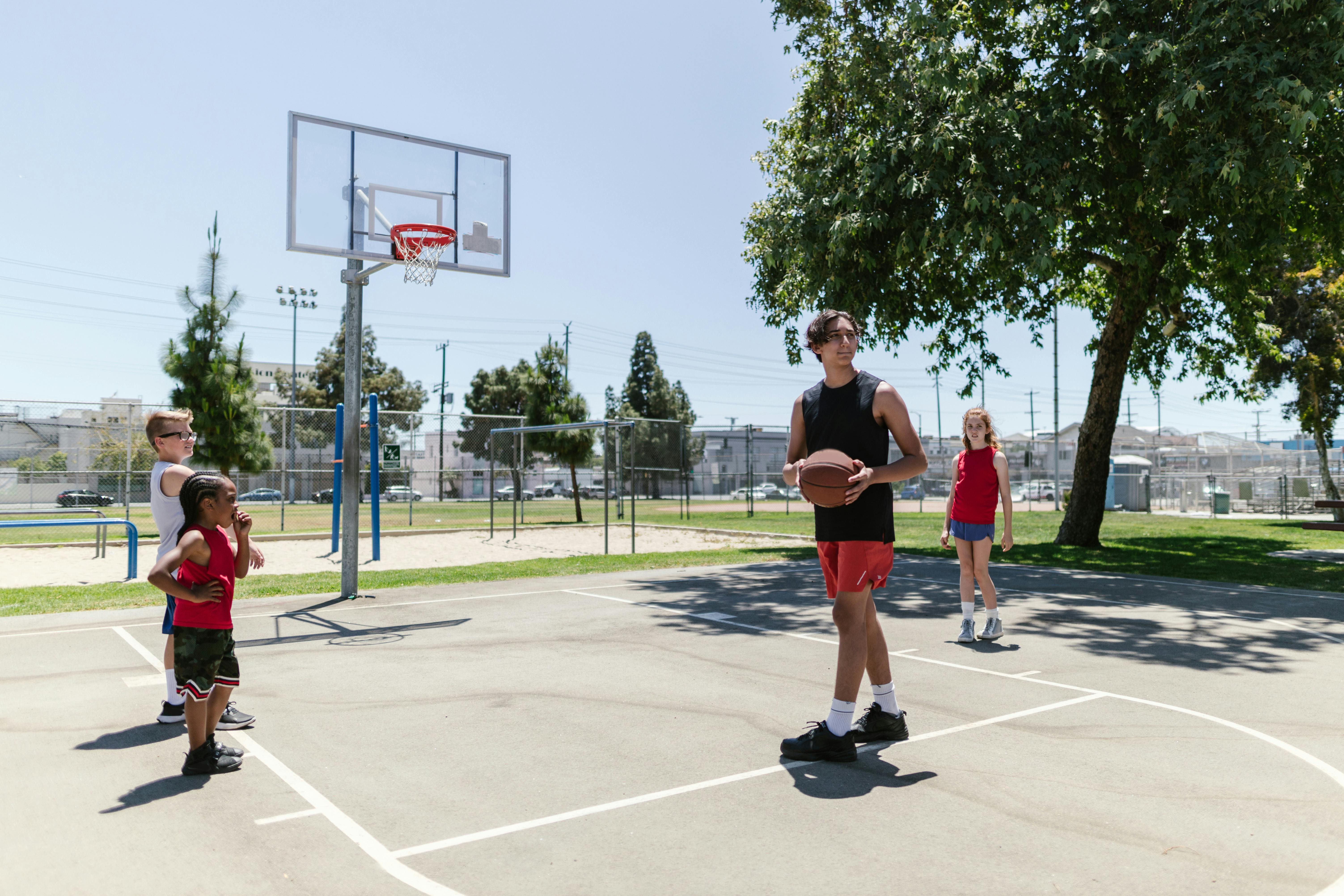
How to Find Basketball Coaching Jobs
Finding the right coaching opportunity requires more than searching random job boards. Coaches benefit from using platforms dedicated to sports careers, where listings are relevant and tailored.
CoachBridge connects coaches with schools, clubs, and athletic programs looking for qualified candidates. Creating a complete profile and regularly applying to open positions increases visibility and job prospects. Networking with athletic directors and fellow coaches also plays a key role.
Final Thoughts
Learning how to become a basketball coach is a step-by-step process built on preparation, education, and experience. Coaches who invest in certifications, seek mentorship, and gain hands-on experience position themselves for long-term success.
The most effective coaches stay curious, adaptable, and committed to athlete development. By following the pathway outlined above, aspiring coaches can confidently move toward their first opportunity and continue growing in the profession.