Cross Country Race Strategy: How to Run Smarter and Finish Strong
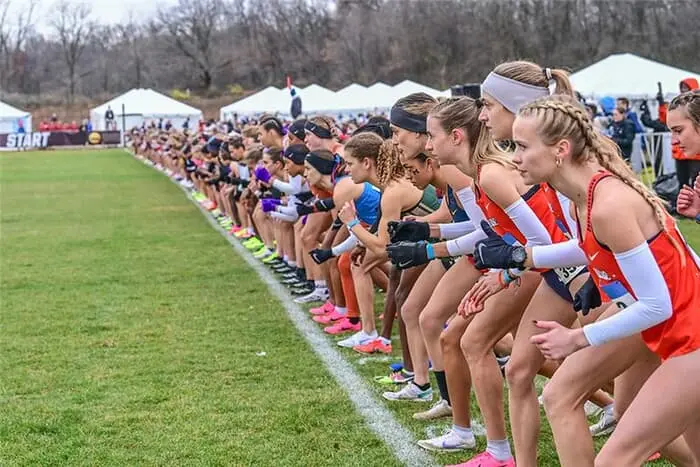
Developing a winning cross-country race strategy isn’t just about knowing splits or terrain; it’s about teaching athletes how to think strategically, manage effort, and execute on race day. For coaches, smart planning boosts performance and builds confident, resilient runners.
Use this guide as a coaching playbook to prepare your team physically, mentally, and strategically.
Pre-Race Prep: Know Your Course
Before race day, walk or review the course with your team.
Key elements to teach athletes:
-
Where to conserve energy
-
Sections where they can make decisive moves
-
How to handle awkward surfaces and turns
Understanding the course builds confidence and reduces anxiety. Encourage runners to visualize themselves handling key sections, this primes their minds for smart decisions under pressure.
Establishing Team Goals and Individual Roles
At your team meeting prior to race day:
-
Discuss overall team goals (e.g., pack placement, scoring targets).
-
Assign individual pacing targets based on ability.
-
Clarify roles (lead runner, pacer, gap closer).
For example, a coach might ask faster runners to set an aggressive early pace while others focus on negative splits and chasing down competitors in the second half.
Clarity in roles builds accountability and reduces indecision on race day.
Warm-Up and Race Start Plan
A disciplined warm-up helps athletes start relaxed and ready to execute a strategy.
Warm-up should include:
-
Dynamic drills to prime legs
-
Light strides to practice pacing sensation
-
Team huddle with race strategy cues
At the start, remind your athletes to:
-
Avoid crowding and unnecessary surges
-
Stick to their predetermined pacing zones
-
Run their own race, not the race of the next runner
Teaching self-control early prevents dangerous early spikes in effort.

Pacing Strategy: Teach Effort, Not Numbers
Most athletes focus on times and splits. As a coach, your job is to shift the focus to effort zones that correspond to race segments:
-
Beginning: Controlled but competitive effort
-
Middle: Steady effort, execute your race plan
-
End: Increase effort, use competitive instincts
Encourage runners to internally monitor breathing and sensations instead of watching their watches. This builds adaptability, especially in courses where clock pacing is unreliable due to terrain.
Handling Hills: Tactics and Technique
Hills can make or break a race.
Uphill:
-
Encourage shorter, quicker strides
-
Focus on relaxed shoulders and even breathing
Downhill:
-
Teach poised form
-
Control foot placement to avoid braking
Make hill work a systematic part of training so athletes are comfortable using hills to their advantage and not just surviving them.
Pack Strategy and Team Positioning
Pack running is a powerful tactic:
-
It boosts morale and reduces perceived effort
-
It makes pacing easier
-
It creates momentum in race positioning
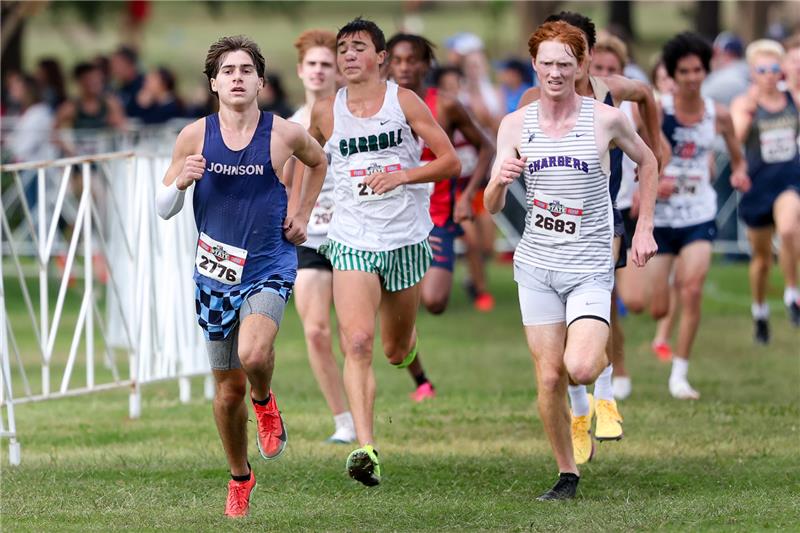
Teach athletes to run in proximity when possible and to rotate positions strategically, especially in teams with runners of similar ability.
Race Communication: What Coaches Should Say
Your words before and during a race matter.
Effective coach messages:
-
“Stay relaxed and control your pace.”
-
“Push here, hills coming.”
-
“Keep gaps tight; work as a pack.”
Keep cues short and actionable. Athletes perform best when instructions are simple and tied to the moment.
Post-Race Review and Reflection
Every race should end with a debrief.
Discuss:
-
What worked and what didn’t
-
Who executed the strategy and why
-
Where adjustments need to be made
This reflection solidifies learning and builds strategic maturity in your runners.
Where to Find Track and Field Coaching Jobs
If you’re a coach ready to step into a new role, whether in cross country, track, hurdles, throws, or sprints, there are structured ways to find opportunities that match your experience.
One valuable resource is CoachBridge, a dedicated platform where coaches can:
-
Browse verified track & field and cross country coaching jobs in schools, clubs, and colleges across the U.S.
-
Create a free coaching profile so athletic directors and programs can discover you based on your skills and experience
-
Explore roles ranging from assistant coach to head coach, including specialized positions (distance, jumps, throws)
CoachBridge covers hundreds of real listings and helps match coaches with teams that fit their career goals, a great way to take your coaching journey to the next level.
Race Smarter, Finish Stronger
Developing a winning cross-country race strategy isn’t just about athletic performance; it’s about teaching athletes to think, adapt, and execute under pressure. As a coach, you shape not just splits on a watch, but confidence, discipline, and team identity.
By combining smart planning, clear communication, and focused post-race learning, you give your runners the tools they need to reach their potential, mile after mile.