Baseball Coach Career Guide: How to Get Hired, Get Certified, and Get Paid in the U.S.
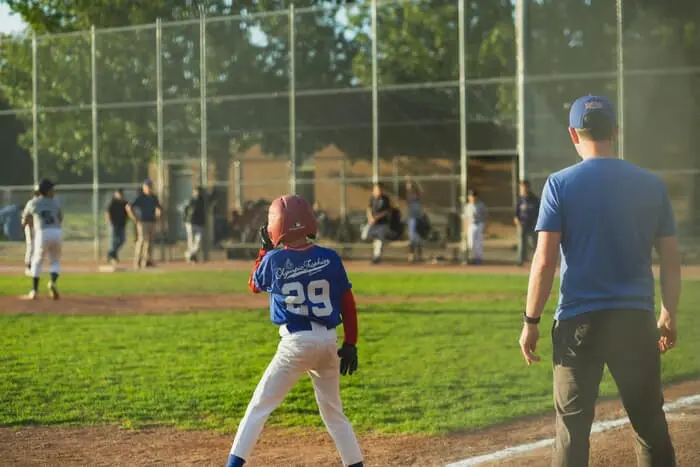
A baseball coach's career offers the opportunity to work closely with athletes, teach the fundamentals of the game, and make a lasting impact on player development. In the United States, baseball coaches work at many levels, including youth leagues, high schools, colleges, travel programs, and professional organizations. While the path into coaching varies, most successful coaches share a combination of baseball knowledge, leadership skills, and a commitment to ongoing education.
This guide explains what it takes to become a baseball coach, how much coaches earn, whether a degree is required, and where to find coaching jobs across the U.S.
What It Takes to Become a Baseball Coach
Becoming a baseball coach requires more than playing experience. Coaches must understand rules, mechanics, training methods, and player development strategies. At the same time, they must manage practices, communicate with parents or administrators, and create a positive team culture.
At the high school and college levels, especially, schools look for coaches who demonstrate professionalism, accountability, and strong organizational skills. Coaches are also expected to model sportsmanship and ensure athlete safety.
People also often ask questions that focus on qualifications and preparation. The short answer is that coaching success comes from a mix of education, certifications, experience, and strong interpersonal skills.
Education and Certifications Required in the U.S.
Baseball coaching requirements vary by state, league, and level. In most U.S. school-based programs, coaches must complete specific certifications before they can be hired.
Common requirements include CPR and First Aid certification, concussion awareness training, background checks, and state athletic association approval. High school coaches typically complete courses through their state athletic association or the National Federation of State High School Associations.
USA Baseball also offers coaching certifications that are widely recognized and respected. These programs focus on athlete development, safety, and age-appropriate coaching practices.
College coaches often need additional credentials. Many schools prefer candidates with a bachelor’s degree, coaching experience, and recruiting knowledge. NCAA programs may also require compliance training.
Can You Be a Baseball Coach Without a Degree
The answer is yes, depending on the level.
Youth, travel, and recreational programs often prioritize experience, certifications, and communication skills over formal education. Many successful youth coaches begin by volunteering or assisting established teams.
At the high school level, requirements vary by state and district. Some schools require a teaching credential or degree, while others allow non-teaching coaches who meet certification and background requirements.
College baseball coaching roles usually require a degree, especially for full-time or head coaching positions. Professional baseball organizations focus more on experience, performance, and player development results than formal education.
Baseball Coach Career Path by Level
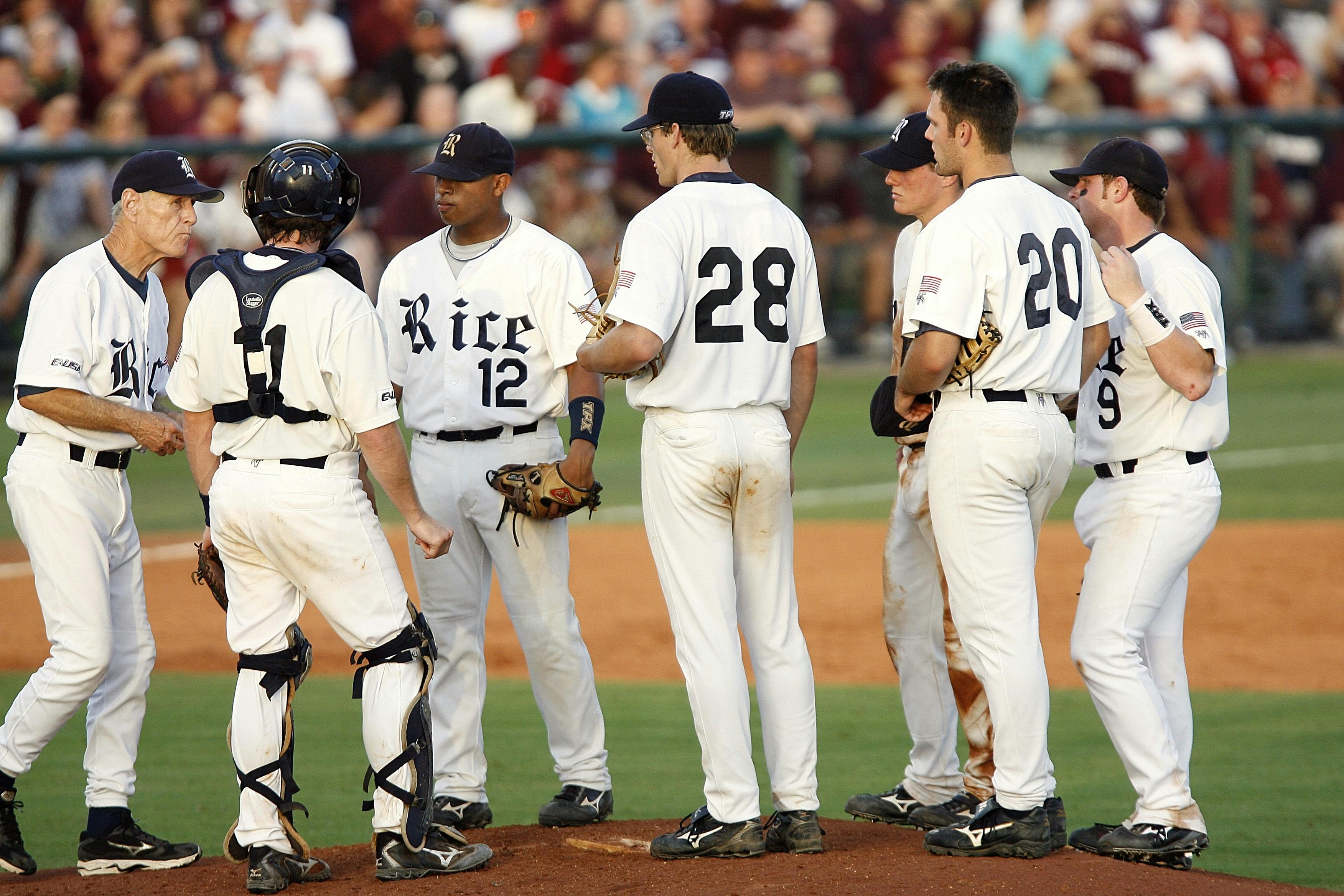
Many coaches start as volunteers or assistant coaches at the youth or high school level. This allows them to gain experience, build a resume, and develop leadership skills.
High school coaching roles offer greater responsibility and exposure. Successful high school coaches may move into travel ball, academy programs, or junior college positions.
College coaching careers often begin with graduate assistant or assistant coach roles. Advancement depends on recruiting success, player development outcomes, and team performance.
Professional baseball coaching is highly competitive. These roles are often filled by former players or long-time coaches with strong development track records.
How Much Do Baseball Coaches Make
Earnings vary widely based on level, location, and role.
Youth and recreational coaches are often volunteers or receive modest stipends. High school assistant coaches may earn several thousand dollars per season, while head coaches typically earn more depending on the district.
College baseball salaries vary significantly. NCAA Division I head coaches can earn six figures, while assistant coaches earn less but still competitive salaries. Division II, Division III, and junior college salaries are lower but can still provide stable income.
Professional baseball coaches earn salaries based on league and position. Minor league coaches earn modest wages, while Major League Baseball coaches earn substantially more.
Overall, a coaching career in baseball can provide good income at higher levels, but early stages often require patience and long-term planning.
Skills That Make Baseball Coaches Successful
Beyond certifications and experience, certain skills separate good coaches from great ones. Communication is critical. Coaches must clearly explain concepts, give feedback, and build trust with players.
Leadership and organization are equally important. Managing schedules, practices, games, and player development plans requires consistency and structure.
Adaptability also matters. Modern baseball coaching increasingly relies on data, video analysis, and technology. Coaches who embrace new tools and continue learning are more competitive in the job market.
Technology, Tools, and Professional Development
Modern baseball coaches often use video analysis platforms, mobile training apps, and performance tracking software. These tools help coaches analyze mechanics, monitor progress, and communicate more effectively with athletes.
Continuing education is also essential. Online coaching courses, clinics, and coaching communities help coaches stay current with best practices and industry trends.
How to Find Baseball Coaching Jobs in the United States
Finding the right opportunity is a key step. Networking remains important, but online job boards now play a major role.
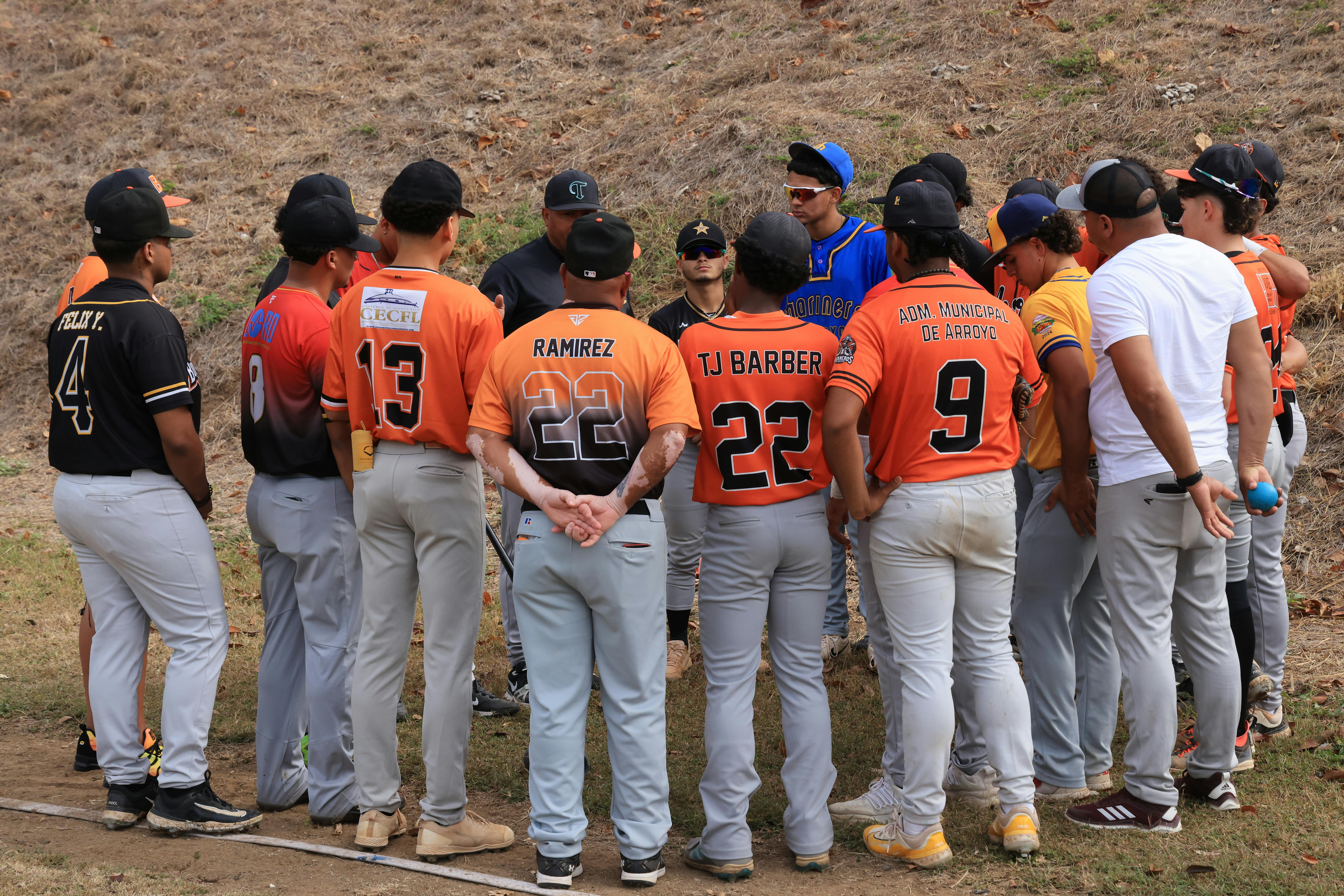
Did you know that there are currently 4,042 open coaching positions across the country? CoachBridge can help you secure one of those positions. The organization connects baseball coaches with schools, clubs, and athletic programs across the United States. Coaches can search openings, apply directly, and explore roles at different levels of competition. Visit the website to explore current baseball coaching opportunities.
Coaches should also stay active within local leagues, attend clinics, and maintain a professional coaching resume that highlights certifications and achievements.
Final Thoughts
A baseball coach career in the United States offers meaningful work, long-term growth, and the chance to shape athletes on and off the field. While requirements and pay vary by level, successful coaches share a commitment to learning, leadership, and player development.
By earning the right certifications, gaining experience, and using trusted platforms like CoachBridge to find opportunities, coaches can build a rewarding and sustainable career in baseball.