How to Become a Wrestling Coach: A Roadmap for Beginners
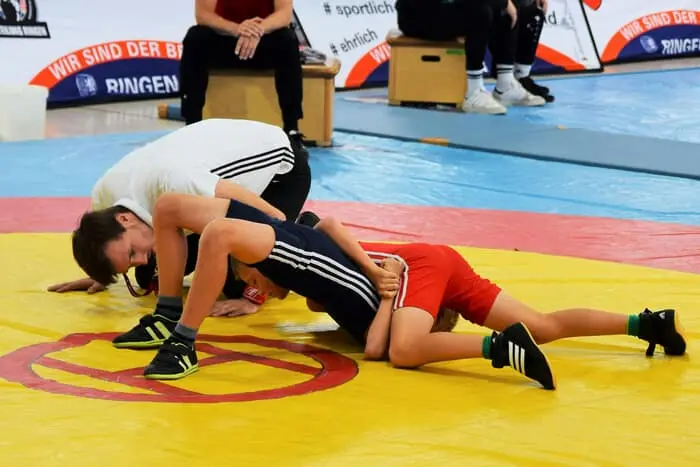
If you are researching how to become a wrestling coach, you are likely passionate about the sport and ready to help athletes grow on and off the mat. Coaching wrestling is rewarding, but it also requires preparation, leadership, and a solid understanding of training and safety. This guide walks through the steps, qualifications, certifications, and practical skills needed to get started.
How to Become a Wrestling Coach: Step-by-Step
Becoming a wrestling coach is a practical process that starts with experience and builds through training, certifications, and hands-on work with athletes. Whether your goal is to coach youth wrestlers, work at the high school level, or eventually move into higher levels of competition, understanding the steps ahead will help you prepare and move forward with confidence. Here is a clear path to help you get started.
1. Build Wrestling Experience
Most coaches begin as wrestlers themselves, but the key is not just participation. It is understanding why techniques work, how matches are controlled, and how preparation affects performance. If you wrestled in high school or college, revisit your fundamentals. Study film of your past matches if available. Identify what made certain opponents difficult and what strategies consistently led to wins.
If you did not wrestle competitively, you can still build experience by:
-
Training at a local wrestling club
-
Volunteering as a mat assistant
-
Helping run drills at youth practices
-
Attending coaching clinics and camps
Pay attention to how experienced coaches structure practices, correct mistakes, and manage athlete behavior. Wrestling is a detail-driven sport. The more time you spend on the mat observing and participating, the stronger your technical foundation will be.
2. Learn Coaching Fundamentals
Knowing a double leg takedown is not the same as teaching it. Coaching fundamentals focus on how athletes learn, how to break skills into teachable steps, and how to build confidence.
Important areas to develop include:
-
Practice planning and time management
-
Teaching progressions for beginners
-
Communication skills for different age groups
-
Motivational strategies that build discipline without burnout
-
Basic strength and conditioning principles
For example, a strong youth wrestling practice plan includes a structured warm-up, focused technique instruction, live situational drilling, conditioning, and review. Each segment should have a clear objective.
You should also understand how to coach wrestling matches. That means recognizing momentum shifts, advising athletes between periods, and helping them manage nerves. Studying match film and shadowing experienced coaches during tournaments is one of the fastest ways to improve this skill.
3. Complete Certifications
Certifications increase your credibility and are often required by schools and clubs. At a minimum, you will likely need:
-
CPR and first aid certification
-
Concussion awareness training
-
Background check clearance
Many programs also recommend or require a USA Wrestling coaching certification. Entry-level certifications, such as Copper or Bronze, cover safety, risk management, and athlete development. These courses help new coaches understand injury prevention, proper technique progression, and responsible coaching practices.
Certifications are not just paperwork. They provide education on topics that directly affect athlete safety, including hydration, emergency response, and safe return-to-play protocols.
4. Start as an Assistant or Youth Coach
Jumping directly into a head coaching role without experience can be overwhelming. Starting as an assistant or youth coach allows you to develop real-world skills in a lower-pressure environment.
As an assistant coach, you can:
-
Run small group drills
-
Demonstrate techniques
-
Help manage conditioning sessions
-
Assist with tournament organization
-
Observe how the head coach communicates with parents and administrators
Youth programs are especially valuable because they teach you patience and fundamentals. Coaching beginners forces you to simplify technique instruction and correct common mistakes early. It also exposes you to organizing fun wrestling games for youth that keep practices engaging while building athletic skills.
This stage is where you refine your coaching style and learn how to manage group dynamics.
5. Apply for Coaching Positions
Once you have mat experience, certifications, and some time assisting a program, you are ready to apply for positions. Prepare a coaching resume that highlights:
-
Wrestling background
-
Certifications and training
-
Coaching or volunteer experience
-
Leadership roles
-
Any experience in strength training or athlete development
Be prepared to discuss how you would structure a practice, handle wrestling weight management for high school athletes, and enforce safety standards such as skin checks.
Specialized job boards focused on athletics make it easier to find openings that match your experience level. There are currently 4,632 coaching positions open across the country, giving new and experienced coaches plenty of opportunities to get started. You can browse current coaching opportunities here:
Networking is also important. Reach out to athletic directors, attend local tournaments, and connect with other coaches. Many coaching jobs are filled through relationships and recommendations.
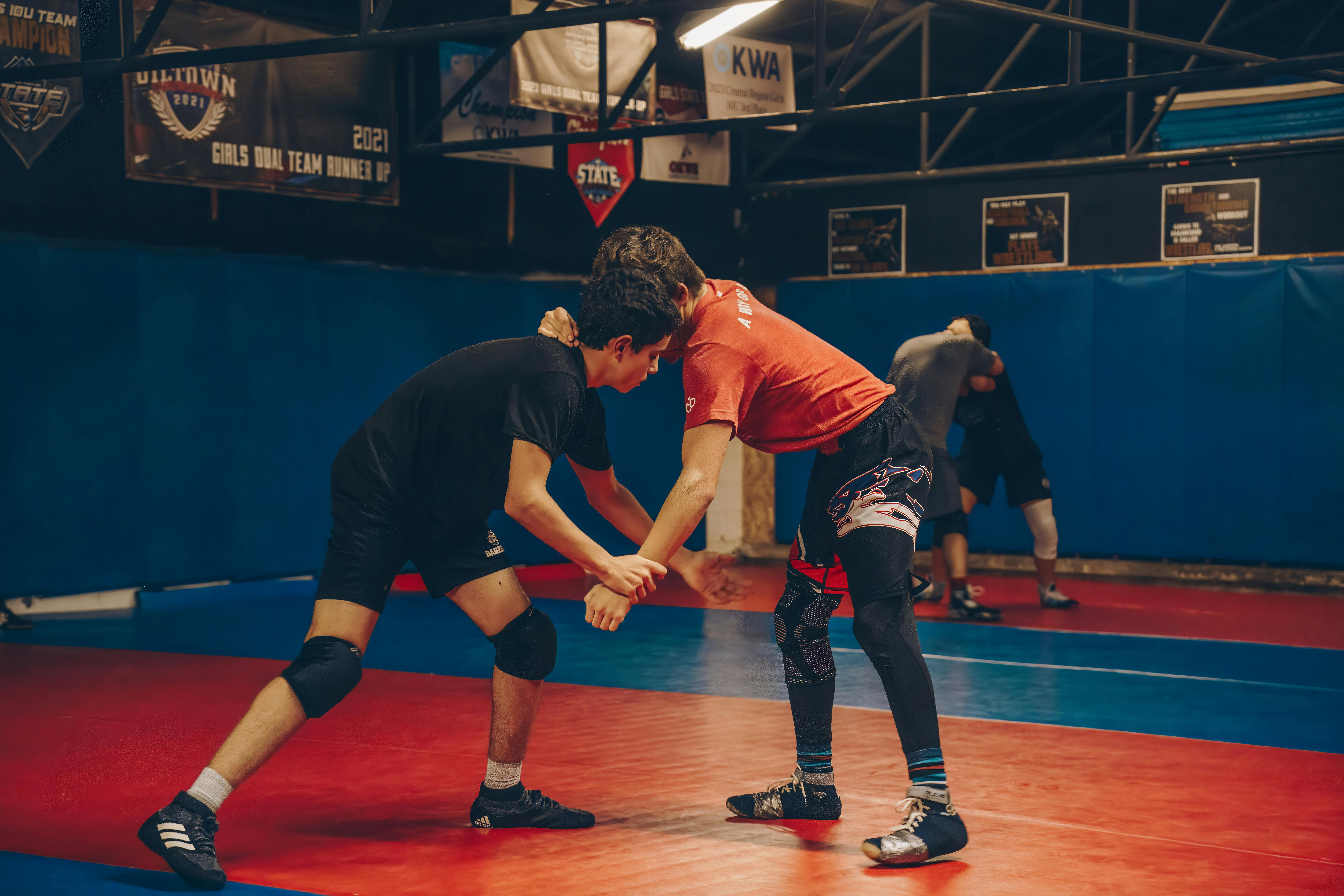
What Qualifications Do Wrestling Coaches Need?
Requirements vary by program, but most wrestling coaches are expected to meet a combination of safety, knowledge, and leadership standards before working with athletes.
Basic coaching or sport education certification
Many schools and clubs require a coaching education course that covers athlete safety, risk management, and coaching ethics. Programs such as USA Wrestling certification or state high school association courses are commonly accepted. These certifications help ensure coaches understand proper technique progression, injury prevention, and responsible supervision.
CPR and first aid training
This is one of the most common requirements at every level. Coaches are responsible for athlete safety during practices and competitions, so being able to respond to injuries, dehydration, or emergencies is essential. Some programs also require concussion awareness training and sudden cardiac arrest education.
Knowledge of wrestling rules and scoring
Coaches must understand current competition rules, scoring criteria, match procedures, and weight class regulations. Rules can change periodically, so staying updated through rulebooks, clinics, or official’s meetings is important. A strong understanding of rules also helps coaches prepare athletes strategically and avoid penalties.
Strong communication and leadership skills
Coaching involves working with athletes, parents, officials, and school administrators. Clear communication helps set expectations, maintain discipline, and build trust. Leadership also includes motivating athletes, managing team culture, and handling difficult situations calmly, especially during competitions.
Organizational and planning ability
Although not always listed as a formal requirement, successful wrestling coaches are organized. This includes planning practices, tracking athlete progress, managing equipment, coordinating travel, and communicating schedules. Being organized helps the season run smoothly and reduces stress for athletes and families.
Understanding athlete health and safety
Many programs expect coaches to understand basic principles of hydration, weight management, hygiene, and injury prevention. Responsibilities such as conducting or supervising skin checks, monitoring safe conditioning practices, and promoting healthy weight management are an important part of the role.
Some high school or college positions may prefer or require a degree, particularly in physical education, kinesiology, or a related field. However, many youth and assistant coaching roles do not require a degree. Practical experience, certifications, and a demonstrated ability to teach and lead often carry more weight when starting out.
USA Wrestling Coaching Certification Explained
One of the most recognized credentials is the USA Wrestling coaching certification. This program provides education on safety, technique, and athlete development.
Key benefits include:
-
Training in safe coaching practices
-
Access to coaching resources and clinics
-
Recognition that helps when applying for jobs
You can learn more about certification requirements through the official USA Wrestling site.
Entry-level certifications, such as Copper or Bronze, are commonly required for youth and club programs.
How Much Do High School Wrestling Coaches Make?
Pay varies based on school size, region, and whether the role is head or assistant coach.
Typical ranges:
-
Assistant coaches often earn a few thousand dollars per season
-
Head high school coaches often earn stipends ranging from several thousand to over ten thousand dollars per season
Many coaches also work as teachers or in other school roles, with coaching as an additional stipend.
Essential Skills for Coaching Wrestling Matches
Knowing how to coach wrestling matches is critical on competition day. Effective coaches focus on:
-
Match strategy and pacing
-
Recognizing scoring opportunities
-
Keeping athletes calm and focused
-
Making adjustments between periods
Good match coaching comes from studying film, observing experienced coaches, and gaining experience mat-side.
Planning Practices and Developing Athletes
Youth Wrestling Practice Plan Basics
A strong youth wrestling practice plan usually includes:
-
Warm-up and movement drills
-
Technique instruction
-
Live drilling or situational wrestling
-
Conditioning
-
Cool down and review
Keeping practices structured helps athletes stay engaged and progress steadily.
Fun Wrestling Games for Youth
Games help younger athletes build skills without burnout. Popular options include:
-
Balance and stance games
-
Reaction drills
-
Controlled takedown challenges
These activities improve agility and confidence while keeping practices enjoyable.
Wrestling Moves List for Beginners
Beginner wrestlers should master fundamentals first:
-
Stance and motion
-
Penetration step
-
Double leg takedown
-
Sprawl
-
Stand-up and escapes
Teaching a small number of techniques thoroughly is more effective than rushing through many moves.
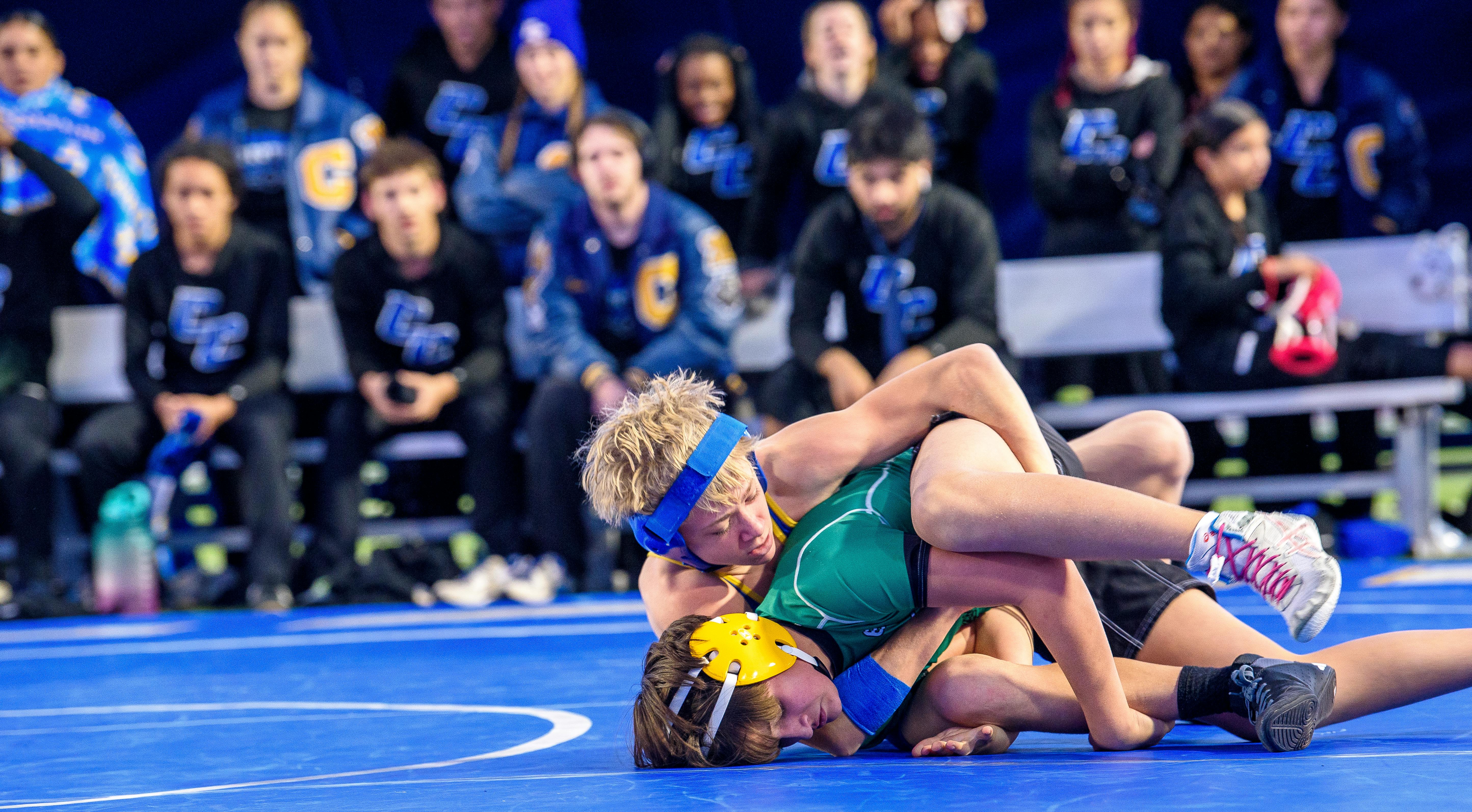
Important Responsibilities Beyond Practice
Coaching wrestling involves more than training sessions.
Wrestling Weight Management for High School
Safe weight management is essential. Coaches should:
-
Follow official weight certification procedures
-
Promote proper nutrition and hydration
-
Avoid rapid weight-cutting practices
Athlete health should always come first.
Wrestling Skin Check Guide
Skin checks are required in many competitions to prevent infections. Coaches should:
-
Teach athletes to report skin issues early
-
Ensure proper hygiene
-
Follow the competition rules for medical clearance
Preventive habits reduce missed matches and health risks.
Wrestling Parent Meeting Agenda
Holding a preseason parent meeting helps set expectations. Topics often include:
-
Practice and competition schedules
-
Weight and nutrition policies
-
Communication methods
-
Team rules and academic expectations
Clear communication early prevents misunderstandings later in the season.
Finding Wrestling Coaching Jobs
As demand for coaches continues, many schools and clubs regularly post openings. Searching specialized coaching job boards saves time and helps you find programs that match your experience level.
Checking listings regularly and networking with athletic directors or club leaders can lead to opportunities faster than waiting for roles to be widely advertised.
Conclusion
Learning how to become a wrestling coach is a process that combines experience, education, and leadership. Start by building wrestling knowledge, earning certifications, and gaining experience with youth or assistant roles. Focus on planning effective practices, managing athlete safety, and continuing to learn from other coaches. With consistent effort, coaching wrestling can become a rewarding way to stay connected to the sport and help athletes succeed.